'
Kroger is buying Giant Eagle for $1.65 billion and expects to divest stores to satisfy regulators. Ferrero acquired WK Kellogg. Mars is closing on Kellanova. Kraft Heinz is splitting itself in two, and Unilever is walking away from ice cream entirely.
The headlines treat these as stories about the companies doing the deals. If you supply food into retail or distribution, they're stories about you. When your customer merges, restructures, or divests, nobody asks your opinion, but a surprising amount of the work lands on your desk.
Here's what actually shows up, usually with less notice than you'd like.
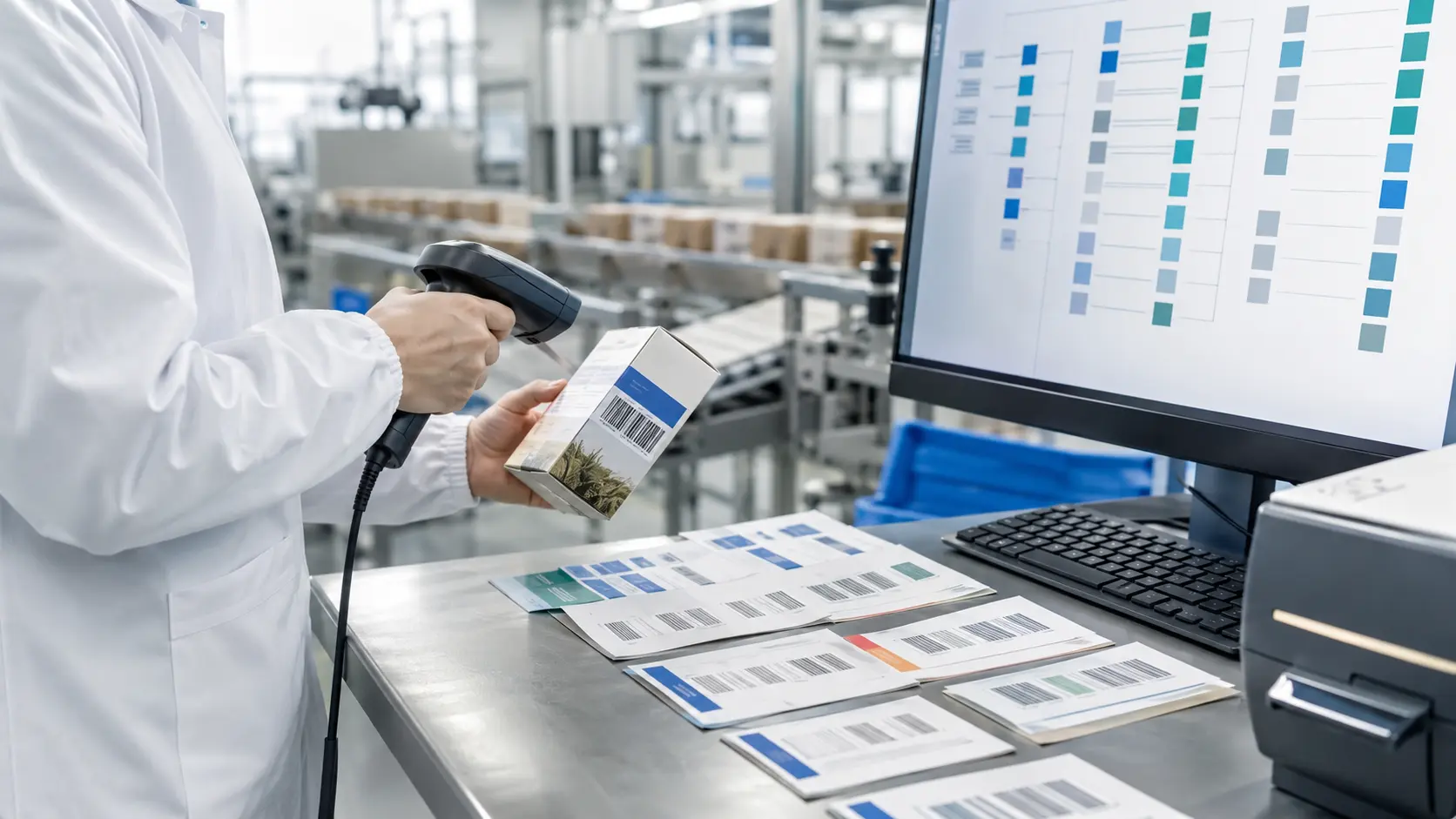
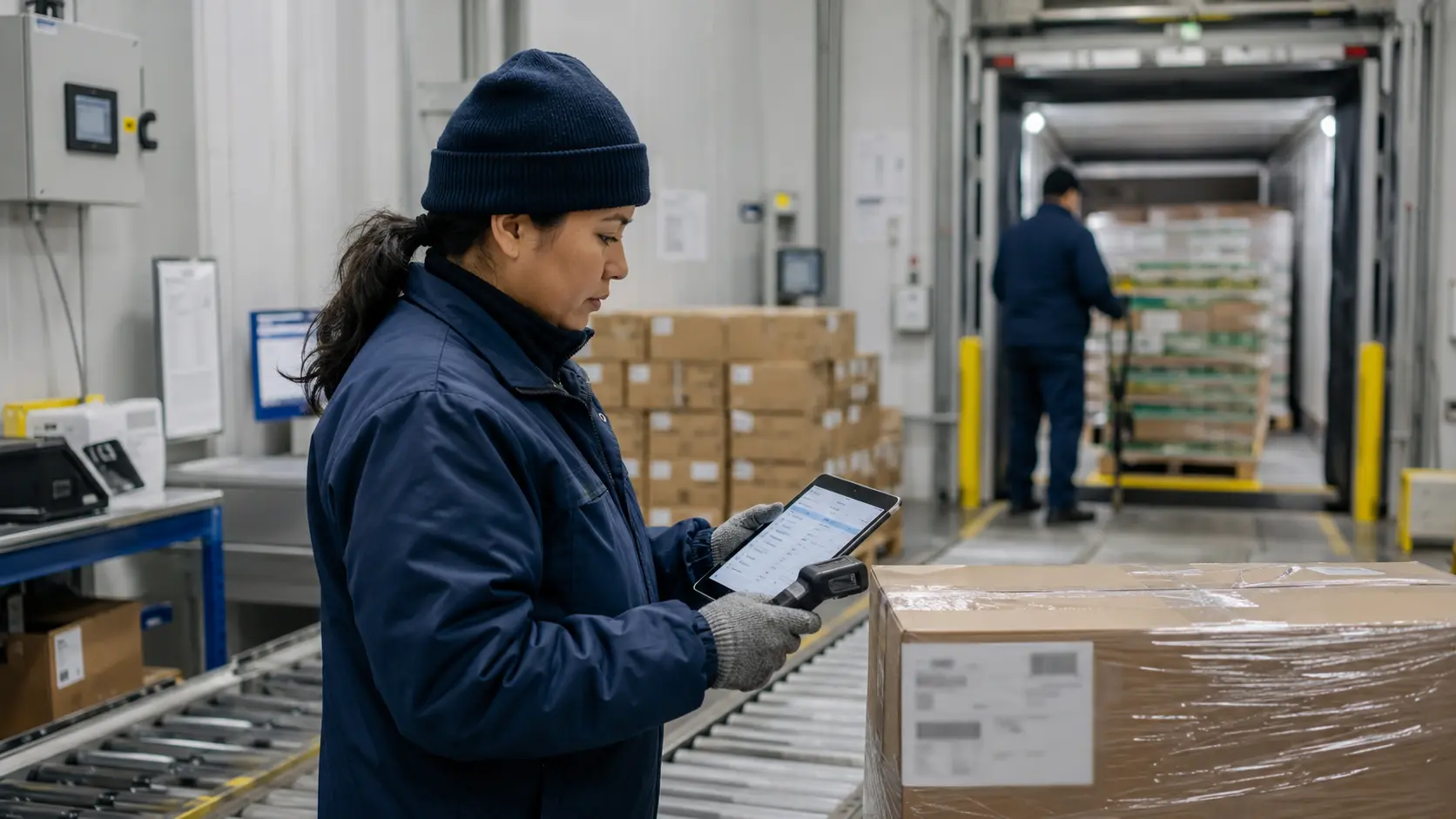
Your products get new identities, again. The surviving company standardizes on one item catalog. Your products, which already carry your internal number, a GTIN, and the customer's old item number, now get the acquirer's item number too. Every crosswalk, every EDI map, every report keyed to the old number has to be updated. If those mappings live in spreadsheets maintained by whoever set them up years ago, this is the moment they break quietly and start generating mismatched orders and rejected invoices.
The vendor portal changes underneath you. Merged retailers consolidate supplier systems. That means new portal logins, resubmitted product data, new ASN specifications, and new label requirements, often on the acquirer's timeline rather than yours. Teams that handled the old customer's requirements from memory now face a documentation exercise nobody budgeted hours for.
You inherit the stricter compliance regime. Acquirers extend their own supplier scorecards across the combined business. If the company that bought your customer runs tighter on-time-in-full thresholds, harsher chargeback schedules, or more demanding traceability requirements, those now apply to you. Suppliers who were comfortably compliant under the old regime can find themselves accumulating deductions under the new one before anyone internally has even read the new routing guide.
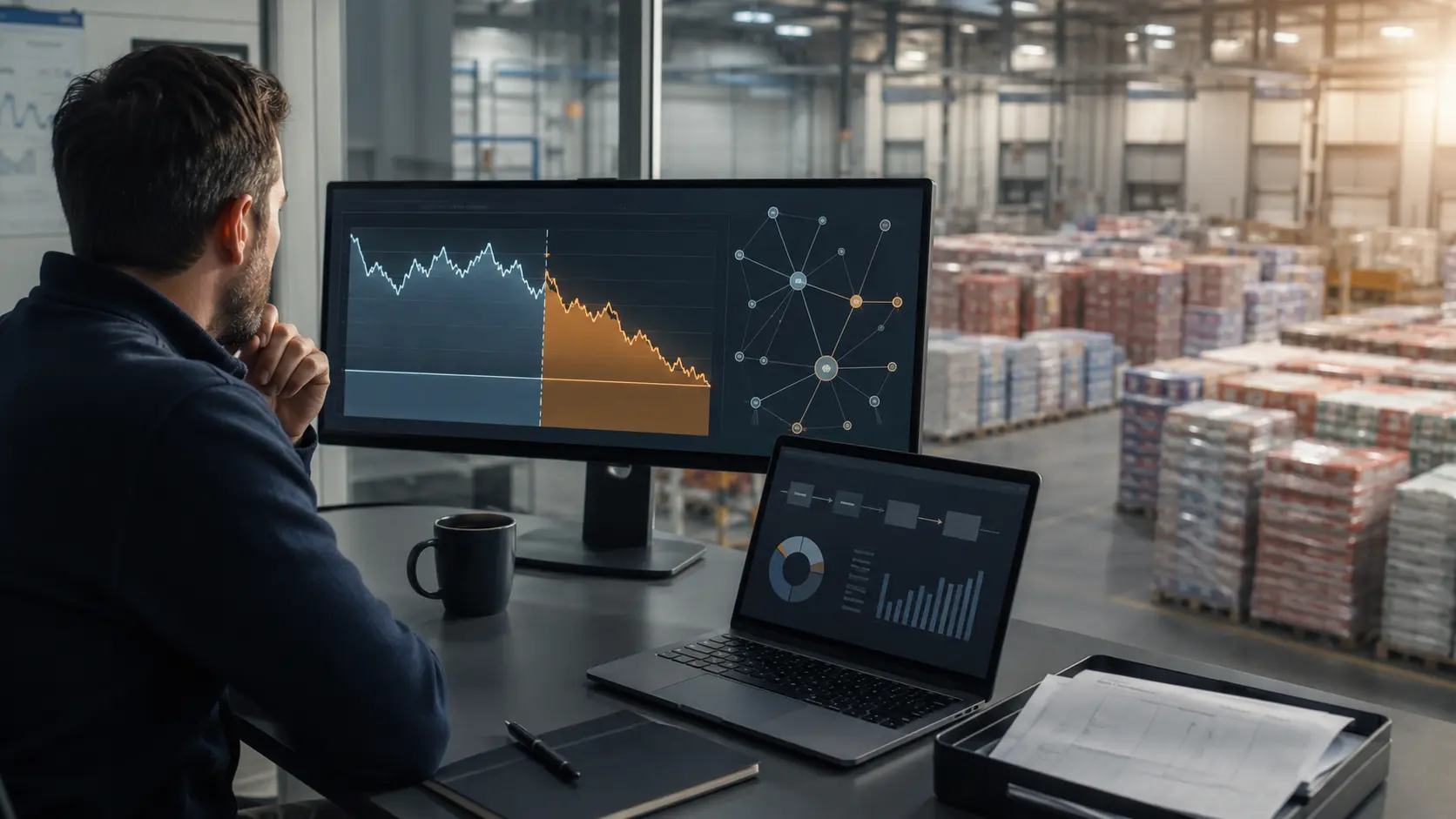
Your forecast history just went stale. Distribution networks get consolidated after a merger. DCs close, ship-to locations change, order patterns shift as the combined company rebalances volume. The two years of order history your demand planning leans on now describes a customer that no longer exists in that shape. Forecasting against it produces confident, wrong numbers, which in perishables means spoilage on one side or shorted orders and penalties on the other.
Accounts receivable gets noisy. New AP systems, new invoice matching rules, new payment portals. In the transition months, invoices bounce for format reasons that have nothing to do with what you shipped. If your team isn't watching deductions and payment timing closely during the changeover, small leaks become a real number before quarter end.
Some of your volume changes hands entirely. Divestitures mean stores or divisions you supplied get sold to a buyer you may have no relationship with. That's a new customer onboarding, with all of the above, except now you're starting from zero and competing to keep volume you thought was secure.
None of these is dramatic on its own. Together, absorbed at the same time on someone else's schedule, they're a tax on your operation that shows up as overtime, deductions, and margin erosion that's hard to trace back to its cause.
Why this is an operations problem, not just a sales problem
The instinct in most midsize suppliers is to route customer-merger news to the sales team. Sales manages the relationship, negotiates the transition, protects the volume. All necessary.
But look back at that list. Item mappings, EDI specifications, compliance data, forecast baselines, invoice formats. Five of the six items are data and systems work. The suppliers who absorb a customer merger cleanly are the ones whose customer-specific requirements live in systems rather than in people's heads, because for them the transition is an update, not an archaeology project.
There's a simple test. Pick your largest customer. Could your team produce, today, a complete written picture of that customer's specific requirements: item number mappings, EDI specs, labeling rules, compliance thresholds, and routing requirements? If yes, a merger on their side is manageable work. If that picture lives across four inboxes and the memory of your customer service lead, a merger on their side is a scramble, and the deductions will arrive faster than the documentation.
What absorbing this well actually looks like
Customer requirements as governed data. Every customer-specific identifier, spec, and threshold captured in a system, mapped to your canonical item master, and maintained as part of normal operations rather than reconstructed during a crisis. This is the same item master discipline that underpins traceability and AI readiness. It keeps earning its keep in situations exactly like this one.
EDI built for change. If every trading partner change means a developer rewriting maps by hand over several weeks, the acquirer's timeline will hurt. An integration layer where partner-specific formats are configuration rather than custom code turns a portal migration from a project into a task.
Forecasts that can be re-baselined deliberately. When a customer's structure changes, you want the ability to flag their history, adjust the baseline, and watch actuals closely for a few cycles, rather than letting the model quietly average the old world with the new one.
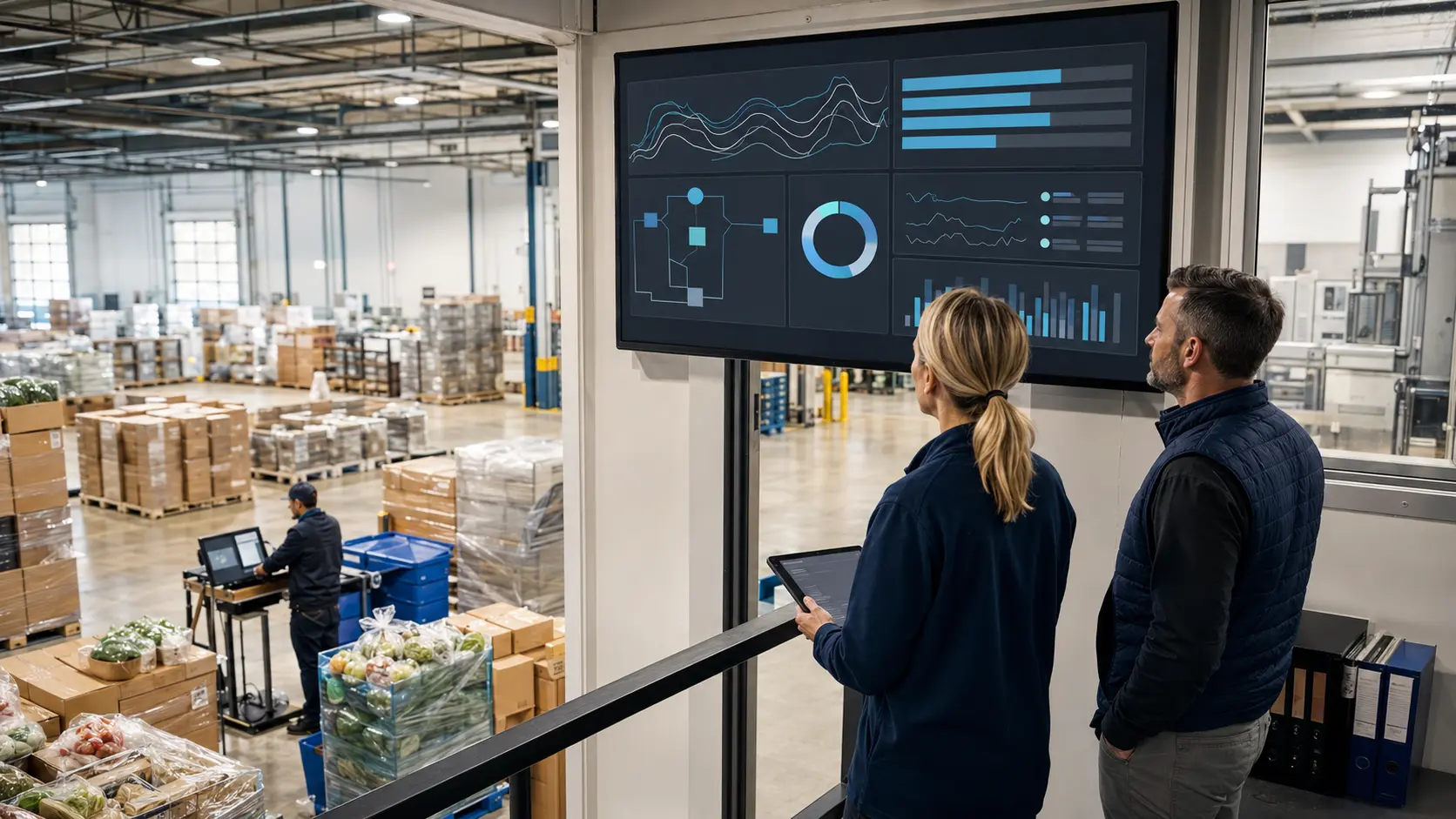
Deduction monitoring during transitions. A merged customer's first ninety days is when chargebacks spike for administrative reasons. Watching deductions weekly during that window, with reason codes visible, separates real compliance gaps from transition noise, and gives your team the paper trail to dispute the latter.
The takeaway
The consolidation wave isn't slowing down. Between the majors restructuring their portfolios and regional grocery deals like Kroger and Giant Eagle, most midsize food suppliers will absorb at least one customer-side transition in the next couple of years.
You can't control when your customer merges. You can control whether their deal costs you a scramble or an update. The difference is decided long before the press release, by where your customer requirements live.
Platsera builds custom software for food and logistics operations. Real engineering, not a design shop reselling code.